Nhà

Blog về DIY Smart Home Hub Integrates ESP32 with Touchscreen

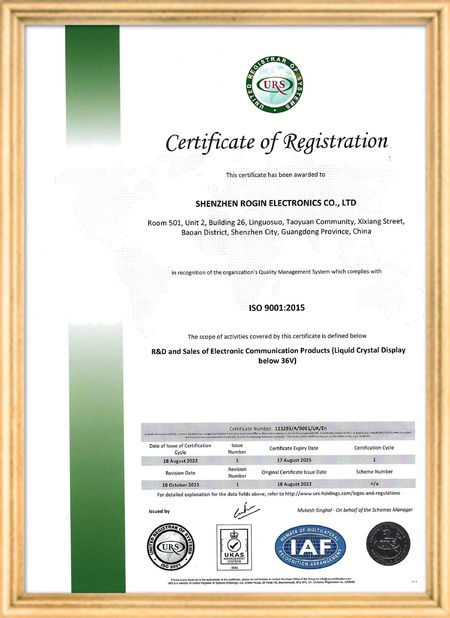
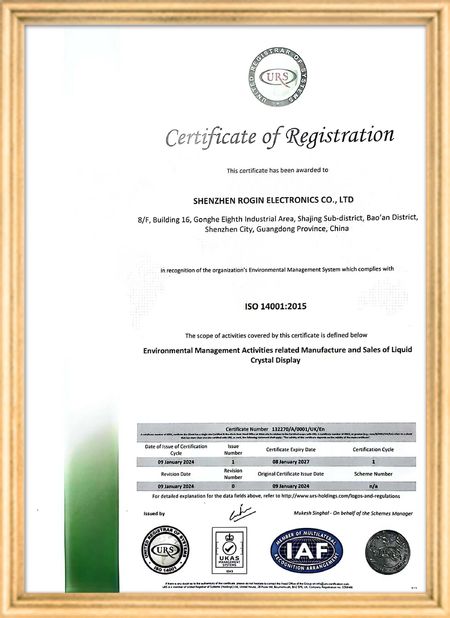
Chứng nhận
Trung Quốc Shenzhen Rogin Electronics Co., Ltd. Chứng chỉ
Khách hàng đánh giá
Những màn hình này hoạt động hoàn hảo trên xe điện. Độ sáng cao, chống chói và ổn định ngay cả dưới rung động dài hạn. Hành khách yêu thích tầm nhìn rõ ràng.

—— Kasper Sørensen

Màu sắc chính xác, phản ứng nhanh, và khởi động nhiệt độ thấp bình thường, hoàn toàn phù hợp với môi trường khắc nghiệt của hệ thống tàu.

—— Nicole Becker

Dễ lắp đặt, phạm vi nhiệt độ rộng và tầm nhìn xuất sắc trong môi trường sáng.

—— Giovanni

Màn hình LCD độ sáng cao này rất phù hợp cho các bảng điều khiển công nghiệp của chúng tôi. Chúng vẫn hiển thị rõ nét ngay cả dưới ánh nắng trực tiếp của xưởng và hoạt động 24/7 mà không gặp bất kỳ sự cố nào. Chất lượng đạt tiêu chuẩn công nghiệp tuyệt vời.

—— Lukas Müller

Tôi trò chuyện trực tuyến bây giờ
Công ty Blog
DIY Smart Home Hub Integrates ESP32 with Touchscreen
tin tức mới nhất của công ty về DIY Smart Home Hub Integrates ESP32 with Touchscreen

Imagine controlling your home's lighting, curtains, and air conditioning with just a tap. This is no longer a scene from science fiction but a reality you can create yourself. Today, we explore how to combine the ESP32 microcontroller with a 3.5-inch TFT touchscreen to build a personalized smart home control center.

The Freedom of DIY Smart Home Solutions

Have you ever been overwhelmed by the myriad of commercial smart home products—expensive yet unable to meet your specific needs? The beauty of DIY lies in its creative freedom, allowing you to tailor solutions to your lifestyle. The ESP32, a powerful microcontroller with built-in Wi-Fi and Bluetooth, has become makers' favorite due to its rich interfaces and open-source ecosystem. Paired with a 3.5-inch TFT touchscreen, it creates an intuitive interface for your smart control hub.

How the System Works

The project's core combines the ESP32's processing power with the touchscreen's interactivity. Through programming, the ESP32 interprets touch inputs to control connected smart devices. You could design an interface with room icons—tapping a bedroom icon might reveal options to adjust lighting or set the AC temperature. The ESP32 connects via Wi-Fi to your home network, enabling remote control and even integration with mobile apps.

Getting Started

Implementing this requires foundational technical skills: programming the ESP32 (using Arduino IDE or ESP-IDF), understanding TFT display drivers, and basic circuitry. Beginners can start with simple LED controls before advancing to complex automations like "Movie Mode"—one tap dims lights, closes curtains, and turns on the TV. Numerous online tutorials and open-source projects provide valuable guidance.

Creativity and Customization

This combination doesn't just deliver smart home convenience—it sparks innovation. Design unique interfaces with personalized shortcuts that make the system truly yours. This project transcends technology; it's an exploration of lifestyle enhancement through customization.

Safety Considerations

While enjoying the DIY process, prioritize electrical safety and network security. Verify all connections and secure your Wi-Fi with strong passwords to protect your system from interference.

Pub Thời gian : 2026-07-01 00:00:00 >> blog list
Chi tiết liên lạc
Shenzhen Rogin Electronics Co., Ltd.

Người liên hệ: Mr. Kelvin Zhu

Tel: +86 15919061504

Gửi yêu cầu thông tin của bạn trực tiếp cho chúng tôi (0 / 3000)