Introduction
Standard consumer grade LCD panels typically deliver 250-400 nits brightness, which works well for indoor office and household environments. Once deployed near large windows, under strong factory lighting, semi outdoor shelters, or direct open air sunlight, these conventional screens suffer heavy wash�out, glare, poor contrast, and unreadable content. High brightness LCD (also widely called sunlight readable LCD) solves this pain point by upgraded backlight architecture, optical coatings, optical bonding and industrial grade panel components for high ambient light scenarios.
Many engineers and procurement teams make the common mistake: choosing high brightness LCD purely based on nits value. Real world sunlight readability is a combined result of luminance, anti-reflection treatment, contrast ratio, viewing performance, thermal stability, backlight lifetime, mechanical integration and environmental resistance. This article breaks down step by step selection criteria, application matched parameter benchmarks, common pitfalls and practical recommendations for industrial, outdoor kiosk, marine, transportation, digital signage and HMI projects.

1. Analyze Your Operating Environment First
Before checking datasheet parameters, document your real world deployment conditions. This foundational step avoids over specification (extra power consumption, higher cost, shortened lifespan) or under specification (screen unreadable on site).
Key environment points to record:
Ambient light level: indoor bright room, semi outdoor with canopy/shade, partial sun exposure, full direct midday sunlight (up to 100 000 lux).
Temperature range: minimum and maximum working temperature, possibility of solar heating on panel surface.
Physical constraints: cabinet enclosure depth, power budget, cooling capacity, touch requirement.
Mechanical risk: dust, moisture, rain, vibration, need for IP rated protection.
Viewing scenario: single viewing position or multi angle public viewing.
Practical tip: Always reserve a 20-30 % performance margin for long-term backlight aging, cabinet glass attenuation and seasonal light variation.
2. Brightness (Nits / cd/m²): The Core Metric
Luminance is measured in nits (cd/m²). It describes how much light the LCD surface emits. Higher nits do not automatically guarantee sunlight readability, but they set the baseline performance.
Recommended brightness tiers for mainstream scenarios:
400-800 nits: Bright indoor spaces, window adjacent equipment, semi-shaded locations. Not suitable for direct sunlight.
1000-1500 nits: Entry level sunlight readable. Semi-outdoor kiosks, bus shelters, shaded outdoor HMI, marine bridge displays under indirect sun.
1500-2500 nits: Direct sun exposure. Outdoor payment terminals, agricultural & construction vehicle HMIs, open air digital signage, EV charging stations.
2500-5000 nits: Extreme high illumination environments, equatorial regions, desert installations, full sun public displays.
Critical note: Check whether datasheet brightness values are measured with or without cover glass. Adding cover glass will reduce effective brightness. Optical bonding and surface coatings also modify perceived brightness performance. Avoid selecting ultra high nit panels blindly if your power and thermal budget is limited; over driving backlight LED accelerates degradation and shortens L70 lifetime.
3. Optical Surface Treatments: AR, AG, AF Coatings
Even 2000nit LCD will perform poorly if surface reflection is not controlled. Three major surface treatments are widely used for high brightness LCD cover glass:
AR (Anti-Reflection) coating: Reduces surface specular reflection. Lowers mirror like sun reflection; greatly improves perceived contrast under direct sunlight. Essential for outdoor direct-sun projects.
AG (Anti-Glare) coating: Diffuses reflected light to eliminate sharp mirror images. Good for indoor-bright and semi�outdoor usage; may introduce slight haze and softness on fine text and graphics.
AF (Anti-Fingerprint) coating: Repels oil and fingerprints, mostly applied for touch�integrated high brightness displays. Does not improve sunlight readability but enhances user experience for interactive kiosks.
Combined AR+AG+AF multi�coating stack delivers balanced anti reflection, anti�glare and easy to clean performance for most interactive outdoor systems.
4. Optical Bonding
Optical bonding fills the air gap between LCD panel and cover glass with transparent optical adhesive (OCA/SCA). It eliminates internal interface reflections inside the assembly, boosts effective contrast ratio under ambient light, reduces condensation risk, and strengthens physical impact resistance.
Without optical bonding: Even high nit panels suffer heavy internal reflection; black content appears washed out under sunlight. With optical bonding: Visible contrast can improve by 50 % or more under strong ambient light, which is a cost effective upgrade for sunlight readable solutions.
5. Panel Type, Viewing Angle and Contrast Ratio
Panel technology
IPS (InPlane Switching) is the dominant choice for high brightness industrial LCD. IPS provides wide horizontal & vertical viewing angles, consistent color shift free performance across viewing positions. For public kiosks, vehicle HMIs and multi viewer applications, IPS is strongly preferred over TN panels with narrow viewing cones.
Target viewing angle specification: minimum 170° horizontal / 170° vertical for most outdoor interactive deployments.
Contrast ratio
Contrast ratio defines the difference between maximum white brightness and black level darkness. Aim for minimum 1000:1 typical contrast ratio for industrial high brightness LCD, measured under standard checkerboard ANSI pattern instead of full field test conditions, to avoid misleading datasheet figures. High contrast keeps text, icons and UI layers distinguishable even when ambient light raises the screen’s black floor.
6. Backlight Performance, Dimming and Lifespan
High brightness LCD relies on LED backlight arrays. Backlight design directly influences reliability, power draw and service life.
L70 lifetime rating: L70 means hours until brightness decays to 70 % of original value. Industrial high brightness LCD should deliver 50 000 hours or longer L70 rating under rated operating conditions. Note: High operating temperature will shorten backlight lifetime significantly.
Dimming capability: PWM dimming or analog DC dimming support is highly recommended. Auto brightness sensor integration allows dynamic brightness adjustment: reduce brightness at night to save power and prevent eye glare; ramp up brightness in daytime. This also avoids permanent damage from constant maximum nit operation 24/7.
Thermal management: High brightness backlight generates more heat. Evaluate enclosure ventilation or passive heat dissipation. Poor thermal design leads to LED thermal drift, color shift and premature failure.
7. Environmental & Mechanical Specifications
Wide temperature range
Consumer LCD panels only support narrow temperature windows. Industrial high brightness LCD for outdoor deployment requires wide temperature liquid crystal formulation: typical target range -30 °C ~ +85 °C operating temperature for harsh field equipment. In high sun installations, panel surface temperature can rise far above ambient air temperature, so confirm the specification accounts for solar heating.
Protection rating
IP65 front face protection is common for outdoor kiosk displays, offering dust tight and water�jet resistance. Note that IP rating applies to the complete assembled unit (panel + cover glass + sealing), not just bare LCD module.
Interface compatibility
Verify electrical interfaces match your host hardware: LVDS, eDP, MIPI, RGB are common industrial LCD interfaces. Confirm resolution, color depth (8bit / 16.7 M colors), signal timing and power supply requirements before final selection.
8. Common Mistakes in High Brightness LCD Selection
Only compare nits value and ignore reflection control: 2000 nit LCD without AR coating and optical bonding can look worse than 1200 nit optically bonded AR coated screen under direct sun.
Skip brightness margin: After backlight aging, cabinet glass loss and seasonal sunlight change, bare minimum nits specification becomes insufficient in real world use.
Over spec brightness: Unnecessarily ultra high nits increases power consumption, heat generation and total BOM cost without practical benefit for shaded deployments.
Confuse bare panel brightness with finished unit brightness: Datasheet typical nits often refers to bare LCD without cover glass.
Neglect temperature derating: High brightness backlight degrades faster at elevated operating temperature.
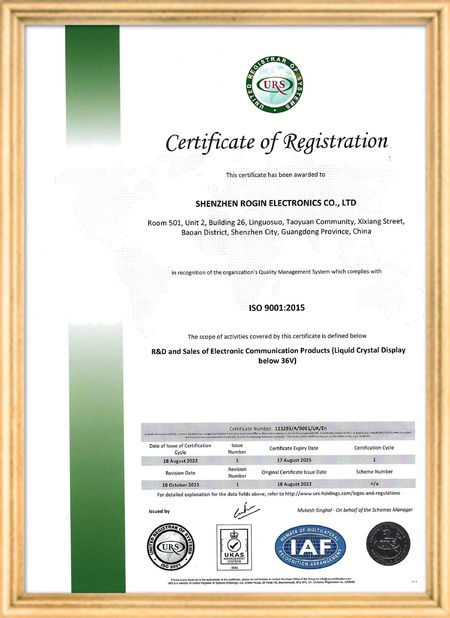
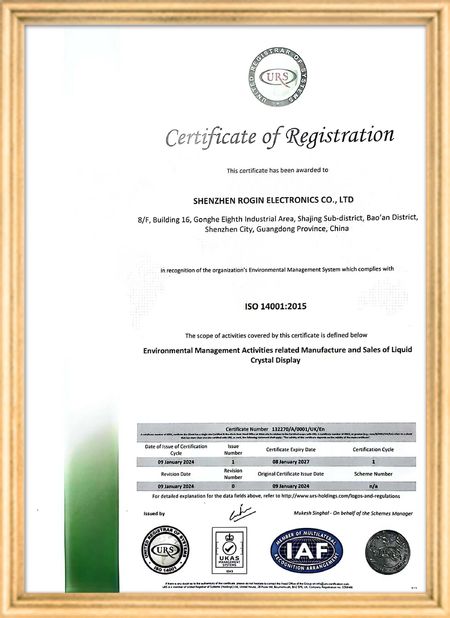
Rogin Electronics has a wide range of products, including high-brightness display, bar type display, small and medium-sized LCD display, transparent display, commercial display units and other up to 98" products. Rogin is flexible in operation and can meet the various needs of customers and expand its market share. Rogin has been rooted in the Shenzhen LCD screen industry for 17 years and has a wealth of supplier and customer resources to ensure long-term stable and sustainable development.


 Vietnamese